Falling is Boring
I used the sensation of boredom to help me negotiate my fear of falling. When was the last time you felt bored?

I’m at a bolt halfway up a route in Pine Creek Canyon. I move my hand up, then let go. I drop a very short distance through the air before my belayer catches me softly. We both laugh and exclaim, “booooring!” Then I pull up on the rope and do that exact same thing again. On this particular route, every time I get close to the crux (pulling over a large roof), I freeze in terror. When I’m absorbed in my fear, I can’t remember the beta, and I forget to reach for the next hold. So today, I’m using the sensation of boredom to help me progress through the fear.
My good friend Ally is on the ground, bundled up for what will be a long belay. I will keep taking the same small fall until I feel bored. Only then can I progress to bigger and bigger falls. Fortunately, today, after many small falls, I do feel bored, and I can progress.

I slide my hand into the hand jam. Move my feet. Reach for the flat jug, match my hands, then exhale and let go. I drop through the air into another soft hug. That was not quite boring, so I do it again and again. Ally and I are laughing, enjoying the absurdity of exclaiming “boring” after each fall.
Eventually, after many, many iterations, I am able to climb all the way up to the crux. On my last repetition, I place my foot high, as though I am going to execute the sequence. For a moment, I feel curiosity instead of panic. “What if I just kept going?” I wonder. Then I let go and drop through the air again. This is the gradual process that I need to communicate to my body that this fall is safe. I’m done for the day, and I hope that when I come back, my body will remember this absence of stimulation.
When was the last time you felt bored? I’m guessing it’s a rare feeling for you. Lately, I’ve been savoring it. On some Sundays, when I have plenty of tasks I could focus on, I opt to just lie on the couch and permit myself to be bored. At first, the boredom was uncomfortable. Now, with practice, it has become delicious. Because there is so much stimulation constantly in our lives, resisting activity feels radical.
A few days later, on the project, as I climbed through the lower, easier section, my stomach was churning. Helloooo nervous system! A classic indication of sympathetic activation! My body was diverting blood away from my digestion in preparation to respond to a threat. This activation is a helpful response from my body, and I am grateful for it. This activation will help my muscles perform and will help my mind stay alert. I decide that the challenge level is appropriate because, even with this activation, I am still able to think rationally, make decisions, and communicate effectively. I use those three conditions to help me decide if I am pushing myself too hard.
I arrive at the roof crux, and my body remembers! I rest at the bolt, focusing on bringing my heart rate down. Then I slide my hand into the hand jam, reach for the flat jug, match my hands, reach left again, and bring my foot up high. For a second, I feel a reaction bubbling up inside me. I contemplate letting go again and decide to pause for a second. Behind the reaction is an even stronger feeling of curiosity. That curiosity is enough to compel me to push into my high foot, rock over, and suddenly my left hand finds the next hold. Before I know it, I’m above the roof, clipping the next bolt. I exclaim down to my friend, “I did it!”
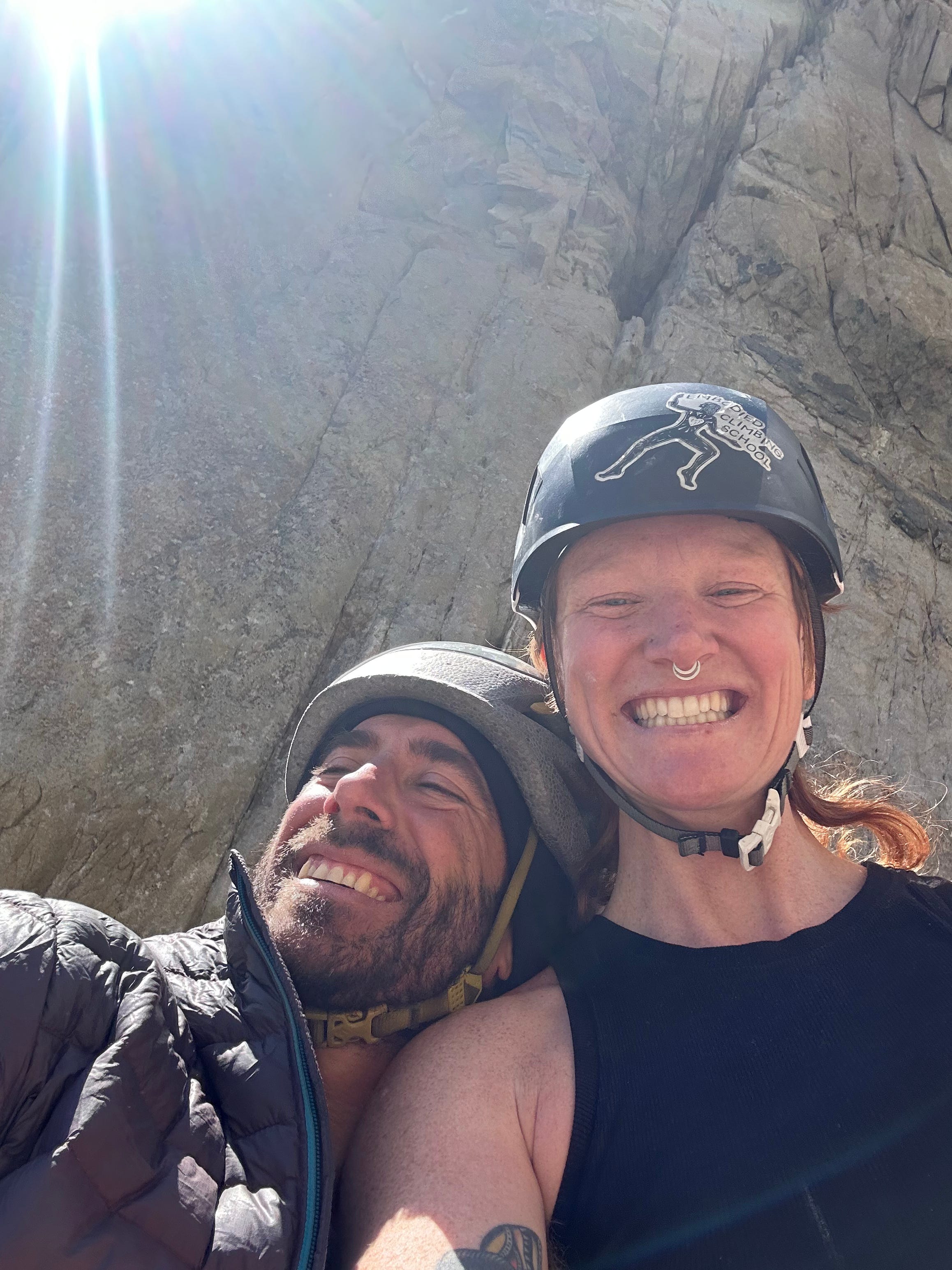
I was introduced to the idea of incorporating boredom into a fear-of-falling practice in a Training Beta podcast. I recommend listening to it. It’s episode 306, with therapist Emma McAdam. If you are interested in working through this process, I also recommend checking out my Embodied Climber Course. In that course, we work through fear of falling in a gentle and methodical way, similar to this.